Rodent Removal in Spring Hill: Trapping Rats & Mice Out of Your Home
Rodent removal takes out the rats and mice that are already inside. We trap with the right equipment in the right places, confirm activity has stopped, and handle disposal so you don’t have to.
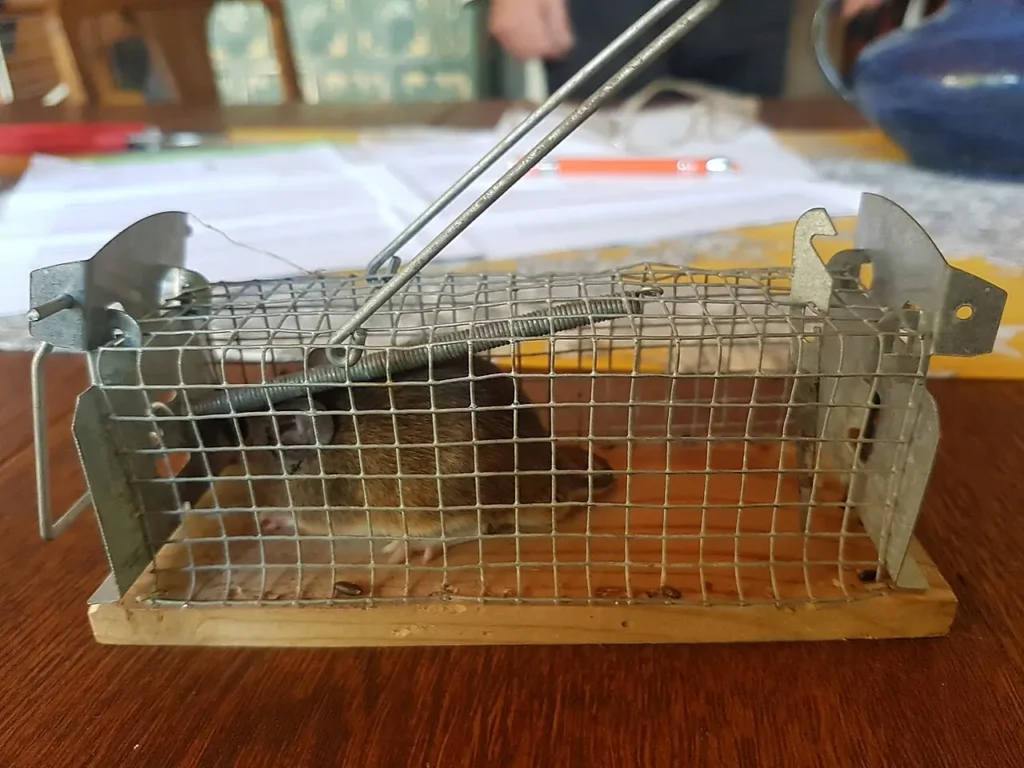
What is rodent removal?
Rodent removal is the targeted capture and removal of active rats and mice from a building. It is the second step of rodent control, after inspection and before the entry points are sealed. Removal alone is a short-term fix; without sealing, new rodents can move in. That is why we pair it with rodent exclusion.
Removal covers attics, wall voids, garages, kitchens, crawl spaces and outbuildings, and applies to roof rats, Norway rats, house mice and other species found in Spring Hill.
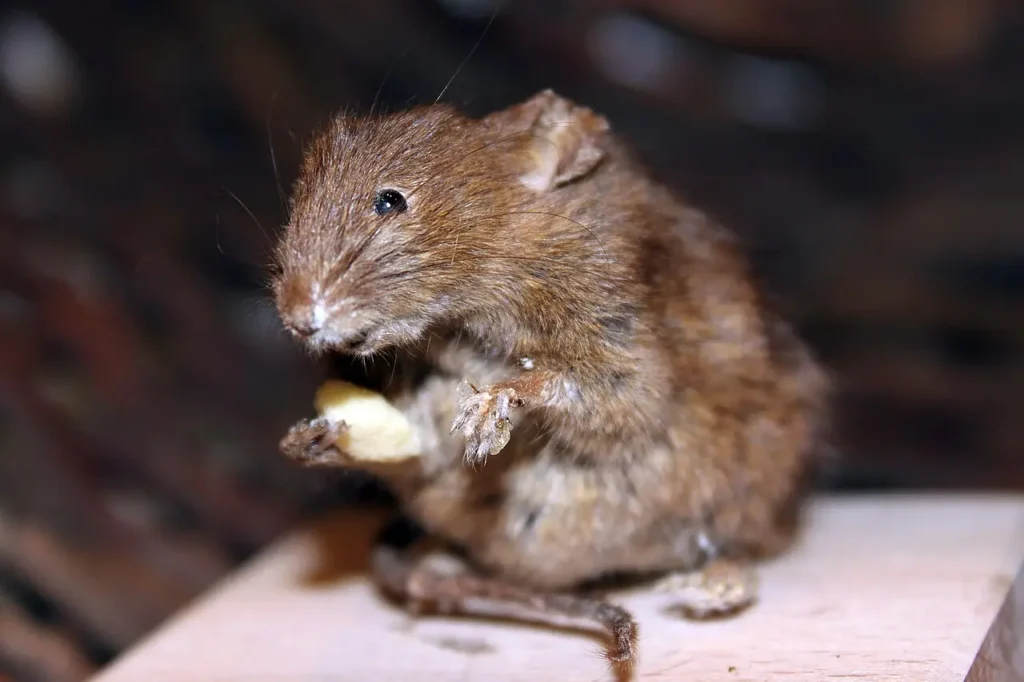
How rodent removal works
- Confirm where they are. Droppings, rub marks, noises and gnawing show travel routes and nesting areas.
- Choose the method. Snap traps and live traps are placed along routes and near nests; the species and location decide size and style.
- Place and leave traps. Rats are cautious of new objects, so UF/IFAS advises leaving traps in place for at least a week before moving them. Traps outdoors are set from dusk to dawn to avoid catching birds and other daytime animals.
- Check and replace. We check traps, remove catches and track the numbers.
- Confirm it is over. No new droppings, no noises and no trap activity over several checks means removal is complete.
- Then seal. Entry points are closed only after rodents are out, so none are trapped inside the walls.
Why trapping beats poison inside a house
Poison baits let rodents wander off and die in places you can’t reach: wall voids, ceilings and ductwork. The result can be an odor that lasts weeks. UF/IFAS Extension notes trapping greatly reduces the risk of a poisoned rat finding its way into a building, dying and causing an odor problem. Where bait is appropriate outdoors, Florida labels require it to sit in a tamper-resistant station out of reach of children, pets and wildlife.
What to do while you wait for service
- Store food, pet food and bird seed in sealed containers.
- Take trash out nightly and pick up fallen fruit.
- Don’t seal gaps yourself yet, so rodents aren’t trapped inside.
- Don’t sweep or vacuum dry droppings; wear gloves and a mask if you must clean up, and wet surfaces first.
- Note where you hear noises and take photos of droppings or damage.
Related rodent control services
Rodent Removal questions
How long does rodent removal take?
Many jobs need follow-up visits over a few weeks. A single mouse can be quick; a roof rat colony in an attic takes longer. Removal is finished when activity has stopped across several checks.
Do you use poison for rodent removal?
Trapping and sealing come first. If bait is part of a plan, it is placed in tamper-resistant stations away from children, pets and wildlife, and not scattered inside walls where a rodent could die out of reach.
What happens to the rodents you catch?
We remove and dispose of them for you, so you don’t have to handle them.
Will rodent removal get rid of the smell and droppings?
Removal stops the source. Droppings, urine and nesting material need separate cleanup; see our cleanup and sanitation service.
Why do rodents come back after removal?
Because the entry points were not sealed. Removal and exclusion work together.
Hear scratching tonight? Let’s find out what it is.
Call and tell us where you are and what you are hearing, seeing or smelling. A local rodent specialist can then set up an inspection of your attic, crawl space, garage and exterior.
Talk to a local rodent specialist now
- Open 7 days a week, 9:00 am to 5:00 pm
- Spring Hill, Brooksville, Weeki Wachee and nearby
- Rats, mice, attic and crawl space problems