Attic Rodent Removal in Spring Hill: Rats & Mice Out of Your Attic
Scratching overhead at night usually means rodents in the attic. We find how they got up there, remove them, seal the way in and tell you what cleanup the attic needs.
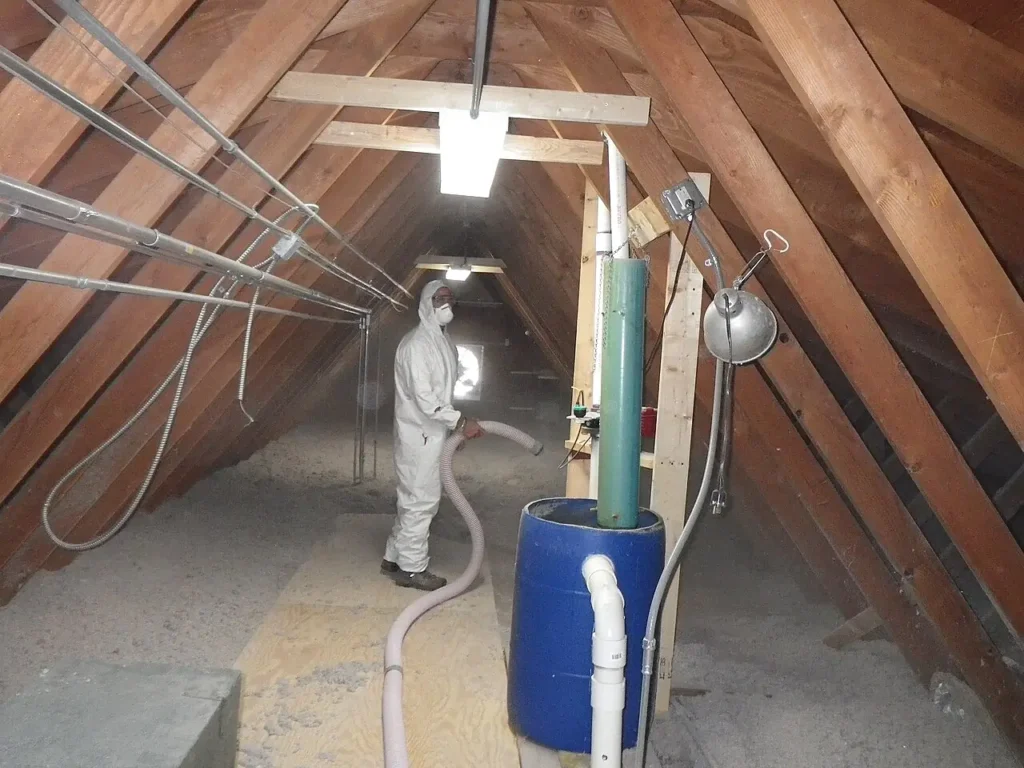
Why rodents choose attics
Attics are warm, quiet and full of insulation to nest in. Roof rats prefer to nest above the ground, and UF/IFAS Extension lists attics, soffits, debris piles and palm frond skirts among their favorite sites. They reach the roof along branches, fences and wires, then enter through roof vents, soffit gaps and damaged screens.
Once inside they chew wires, plastic and pipes, shred insulation for nests and leave droppings and urine that soak into the material.
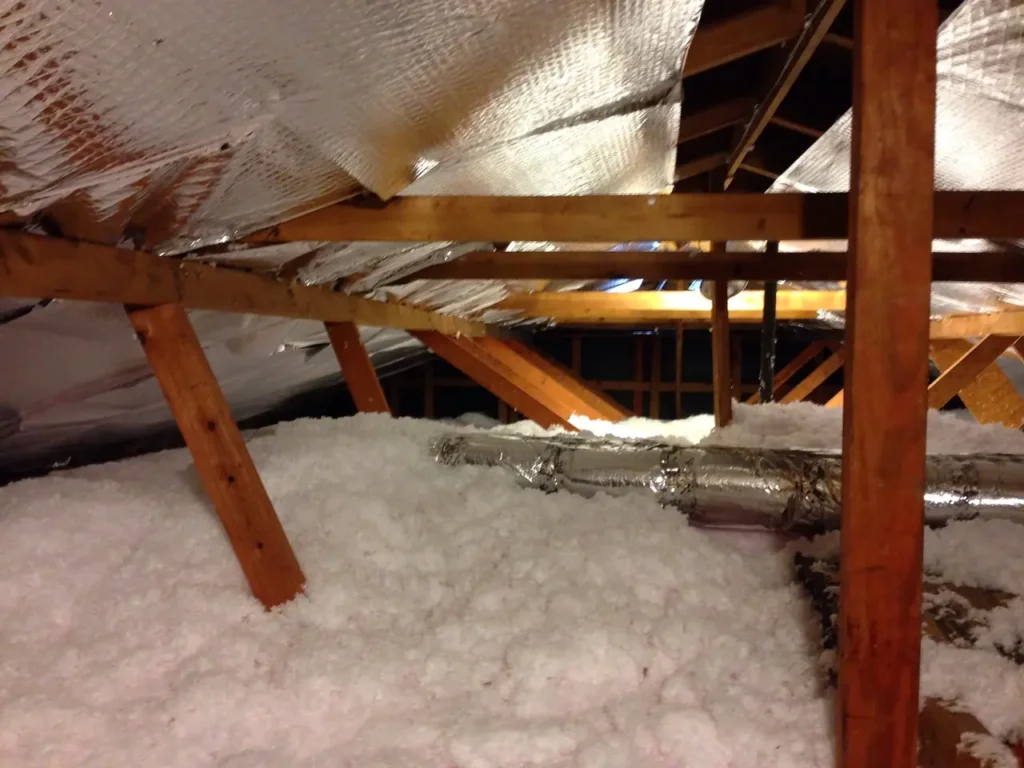
Signs of rodents in the attic
- Scratching, running or thumping above the ceiling, mostly at night
- Dark droppings, flattened or matted insulation and tunnels in it
- Greasy rub marks along beams and entry points
- Chewed wiring, ductwork or stored boxes
- A musty, ammonia or dead-animal smell
- Stains on ceilings below
How we handle attic rodents
- Inspect the attic and exterior to find nests, runways and every entry point.
- Trap the rodents along beams and routes, leaving traps in place long enough for wary rats to approach.
- Seal the roofline once activity stops. See exclusion.
- Assess the damage to insulation and wiring and document it.
- Clean and sanitize where needed. See cleanup and sanitation.
Wiring and fire risk
UF/IFAS notes roof rats chew through wires, potentially starting fires. Attic wiring is hard to see and easy to miss. After the rodents are removed, ask a licensed electrician to inspect any wiring they were near. We document visible chew damage so you know where to look.
Attics in Spring Hill, FL
In Spring Hill, FL, attic rodents are mostly roof rats and the job is year-round, with fruit season (about September to March) and post-storm periods especially busy. Every job includes a full exterior inspection, because the way into the attic is usually outside it.
Related rodent control services
Attic Rodent Removal questions
How do rats get into the attic?
Along branches, fences, wires and rooflines, then through roof vents, soffit gaps, damaged screens and gaps where fascia meets the roof.
Do I have to replace attic insulation?
Heavily soiled or nested insulation often does. Light activity may only need targeted cleanup. We assess after removal.
Will I smell dead rodents in the attic?
You can if one dies there, especially if poison was used. See dead rodent removal.
Is it safe to go in the attic myself?
Attics have fragile ceilings, wiring, insulation and contaminated material. Wear protective gear and avoid disturbing droppings, or let us handle it.
How long do attic jobs take?
Removal usually takes a few weeks of trapping and follow-up; sealing and cleanup can be done in a day or more depending on the attic.
Hear scratching tonight? Let’s find out what it is.
Call and tell us where you are and what you are hearing, seeing or smelling. A local rodent specialist can then set up an inspection of your attic, crawl space, garage and exterior.
Talk to a local rodent specialist now
- Open 7 days a week, 9:00 am to 5:00 pm
- Spring Hill, Brooksville, Weeki Wachee and nearby
- Rats, mice, attic and crawl space problems