Rat Control in Spring Hill: Cutting Off What Brings Rats to Your Property
Removing rats solves today’s problem. Rat control solves next month’s, by cutting off the food, water, shelter and access that keep rats coming to your property.
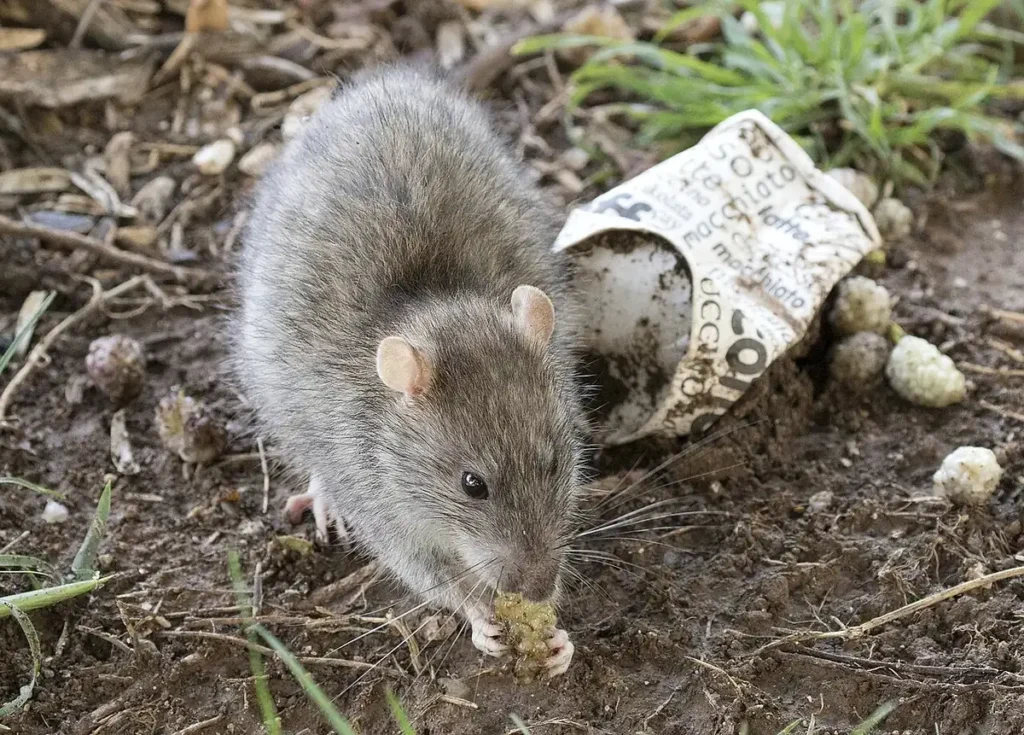
What is rat control?
Rat control is the ongoing management of what attracts rats and lets them in. It goes beyond rat removal by changing the property: securing food, fixing water, trimming access routes, controlling outdoor populations and monitoring for return.
It follows the same integrated approach UF/IFAS Extension recommends: prevention and habitat management first, trapping and exclusion next, and chemical tools only where needed.
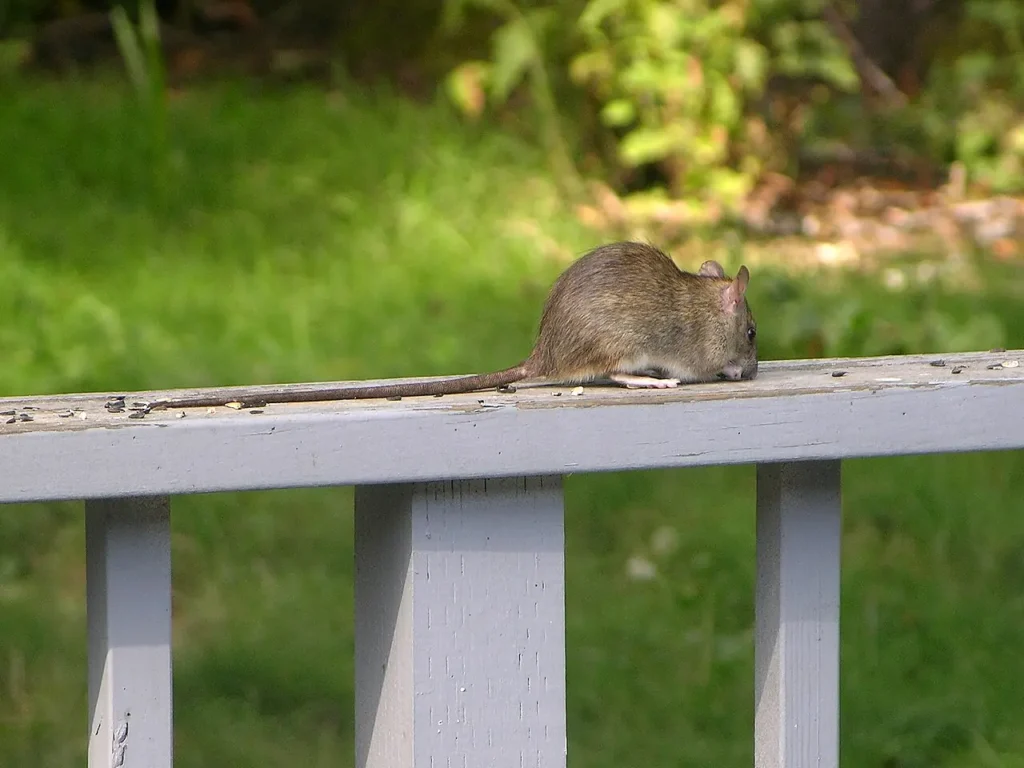
What we change on your property
- Food: pet food and bird seed in sealed containers, fallen fruit picked up, trash covered, compost managed.
- Water: leaks, dripping spigots and standing water addressed; UF notes rats will chew pipes to reach water.
- Shelter: brush, wood piles, clutter and dense groundcover cleared; palm frond skirts trimmed.
- Access: branches, vines, fences and wires that touch the roof separated from it.
- Entry points: roofline and foundation gaps sealed.
Roof rat controls that work in Spring Hill, FL
UF/IFAS gives practical guidance for roof rats. Keep fruit trees isolated from fences, wires and other trees, and keep lower branches off the ground. Metal rat guards 18 to 24 inches wide around a trunk can keep rats out of single trees when nothing else bridges to them. Traps tied to trunks and fences should be set only from dusk to dawn to avoid non-target animals. Roof rats also have natural predators, including rat snakes and owls, so removing them can backfire. Learn more on our Spring Hill, FL page.
What does not work
- Ultrasonic devices: UF/IFAS reports no evidence they drive rodents from their home range.
- Repellents: none are registered specifically for roof rats, per UF/IFAS.
- Pets: cats rarely handle an adult roof rat in its own territory.
- Poison alone: it leaves the access and food sources untouched.
Related rodent control services
Rat Control questions
What is the difference between rat control and rat removal?
Removal takes out the rats that are present. Control changes the property so new rats do not settle in: food, water, shelter, access and entry points.
How do I stop rats coming back?
Seal entry points, secure food and pet food, fix water leaks, clear brush and woodpiles, and separate branches and wires from the roof.
Do rats keep coming because of my fruit trees?
They can. UF/IFAS notes roof rats are very fond of fruit and often go unnoticed until yard fruit ripens. Pick fruit and clear fallen fruit promptly.
Do bird feeders attract rats?
Spilled seed is a common food source. Use feeders that limit spillage and clean up under them.
Is rat control a one-time service?
Often it combines an initial job with follow-up checks, because new gaps and attractants appear over time.
Hear scratching tonight? Let’s find out what it is.
Call and tell us where you are and what you are hearing, seeing or smelling. A local rodent specialist can then set up an inspection of your attic, crawl space, garage and exterior.
Talk to a local rodent specialist now
- Open 7 days a week, 9:00 am to 5:00 pm
- Spring Hill, Brooksville, Weeki Wachee and nearby
- Rats, mice, attic and crawl space problems