Rat Removal in Spring Hill: Roof Rats & Norway Rats Out of Your Home
Rats are climbers, gnawers and fast breeders. We identify which species you have, remove them from the attic, walls, crawl space or shed, and seal how they got in.
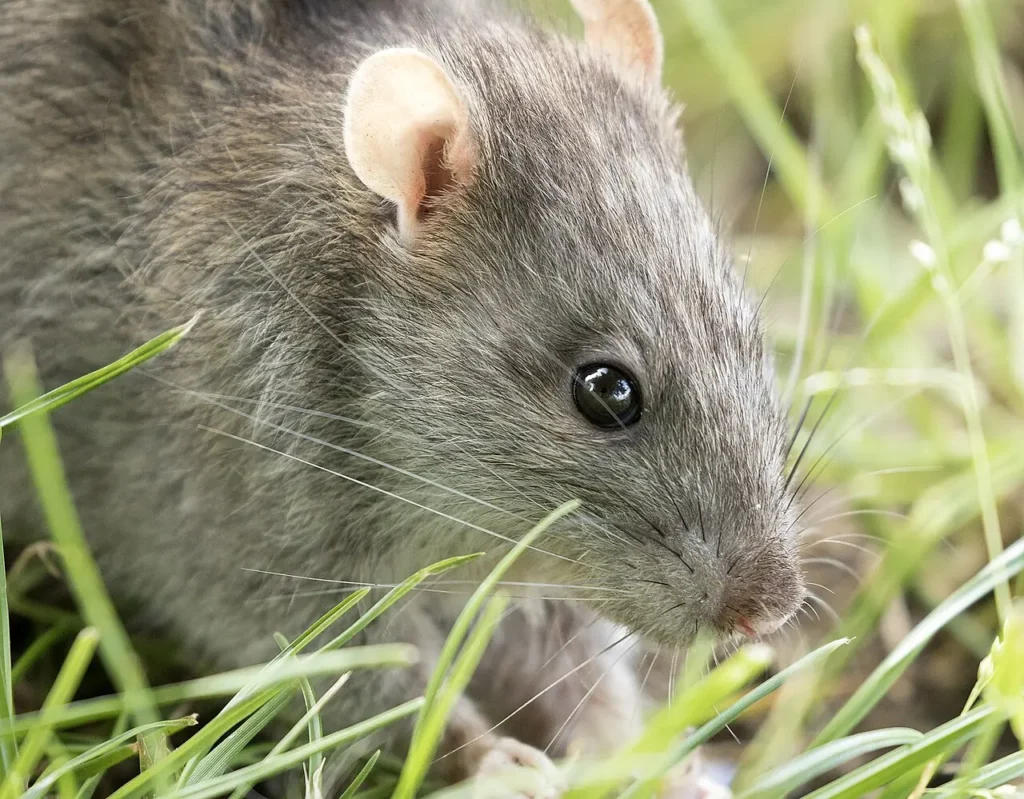
Which rat do you have?
Two rats cause most problems, and they behave differently.
- Roof rat (black rat, palm rat, fruit rat): slim, with a tail longer than head and body, about 12 to 14 inches long per UF/IFAS. A climber that nests high in attics, soffits, trees and palm fronds. The most abundant rodent pest in Florida.
Droppings help: roof rat droppings are dark, banana-shaped and about ¼ to ½ inch long, while Norway rat droppings are larger and blunt-ended.
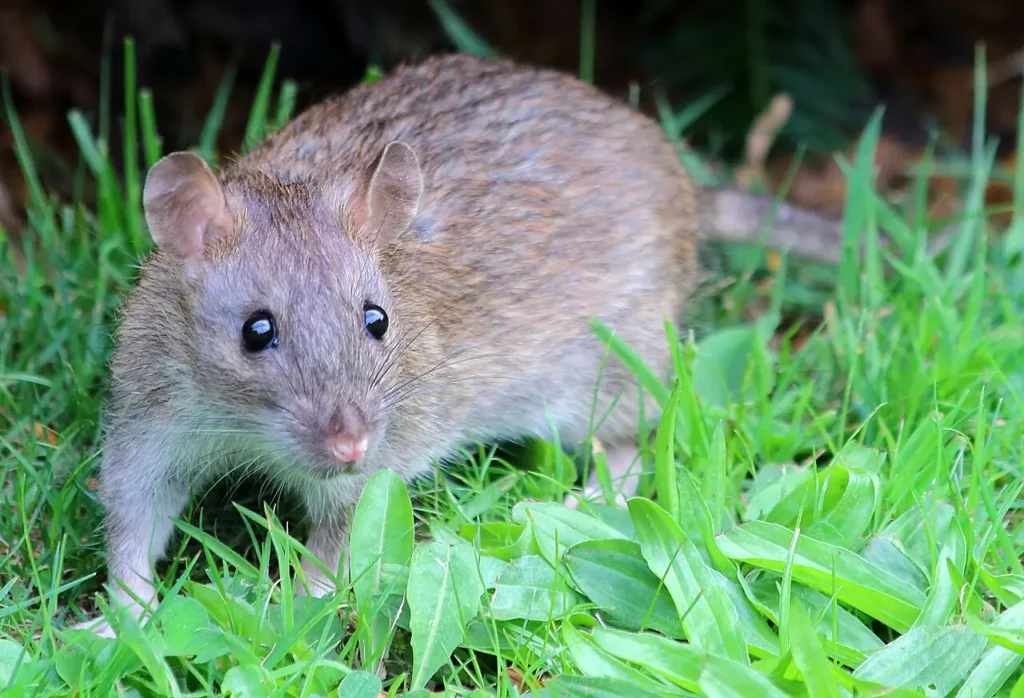
How we remove rats
- Inspect and identify. Find nests, runways and entry points and confirm the species.
- Trap along routes. Rat-sized snap or live traps go along walls, beams, pipes and entry points. Because rats are wary, traps stay put at least a week.
- Control outdoor access. For roof rats that means fences, wires, branches and fruit trees; for Norway rats, burrows, woodpiles and mulch against the foundation.
- Check, replace and count. We track catches until activity stops.
- Seal and clean. See exclusion and cleanup.
Why rats are worth removing quickly
Roof rats can travel up to about 150 yards from the den to food or water, chew wires, plastic and lead pipes and walls, and contaminate far more than they eat, according to UF/IFAS Extension. Rats can carry diseases such as leptospirosis and rat-bite fever, so avoid handling them or their droppings. Early removal costs less than repairing insulation, wiring and pipes later.
Signs you need rat removal
- Thumping or running overhead or inside walls at night
- Dark, banana-shaped or capsule-shaped droppings
- Greasy rub marks along beams, pipes and walls
- Gnawed wiring, pipes, insulation or pet food bags
- Hollowed-out citrus or other fruit (Florida)
Related rodent control services
Rat Removal questions
How many rats are in my attic?
Noise alone can’t tell you. Roof rats breed quickly, so a few noises can mean a growing group. An inspection of droppings, nests and travel routes gives a better estimate.
Are roof rats or Norway rats worse?
Neither is harmless. Roof rats cause more attic and wiring damage because they climb; Norway rats cause more damage at ground level and under homes. The species decides the plan.
Can I remove rats myself?
Early, limited cases can sometimes be handled, but roof rats in attics and walls usually need professional trapping and sealing. DIY often traps a few and leaves the entry points open.
Do rats carry diseases?
They can. Rats and mice can carry leptospirosis, salmonellosis and rat-bite fever, and Florida Health lists hantavirus, plague and typhus among diseases associated with them. Avoid contact and see a doctor if ill after exposure.
Will you remove dead rats?
Yes. See our dead rodent removal service for locating and removing rodents that died inside walls or ceilings.
Hear scratching tonight? Let’s find out what it is.
Call and tell us where you are and what you are hearing, seeing or smelling. A local rodent specialist can then set up an inspection of your attic, crawl space, garage and exterior.
Talk to a local rodent specialist now
- Open 7 days a week, 9:00 am to 5:00 pm
- Spring Hill, Brooksville, Weeki Wachee and nearby
- Rats, mice, attic and crawl space problems