Pet-Safe & Eco-Friendly Rodent Control in Spring Hill
You shouldn’t have to choose between solving a rodent problem and protecting your family. We lead with inspection, sealing and trapping, and plan around your pets, children and wildlife.
What pet-safe and eco-friendly means here
We don’t use these as vague labels. In practice it means:
- Exclusion first: sealing entry points needs no chemicals at all.
- Trapping over indoor poison: traps are placed out of reach of pets and children.
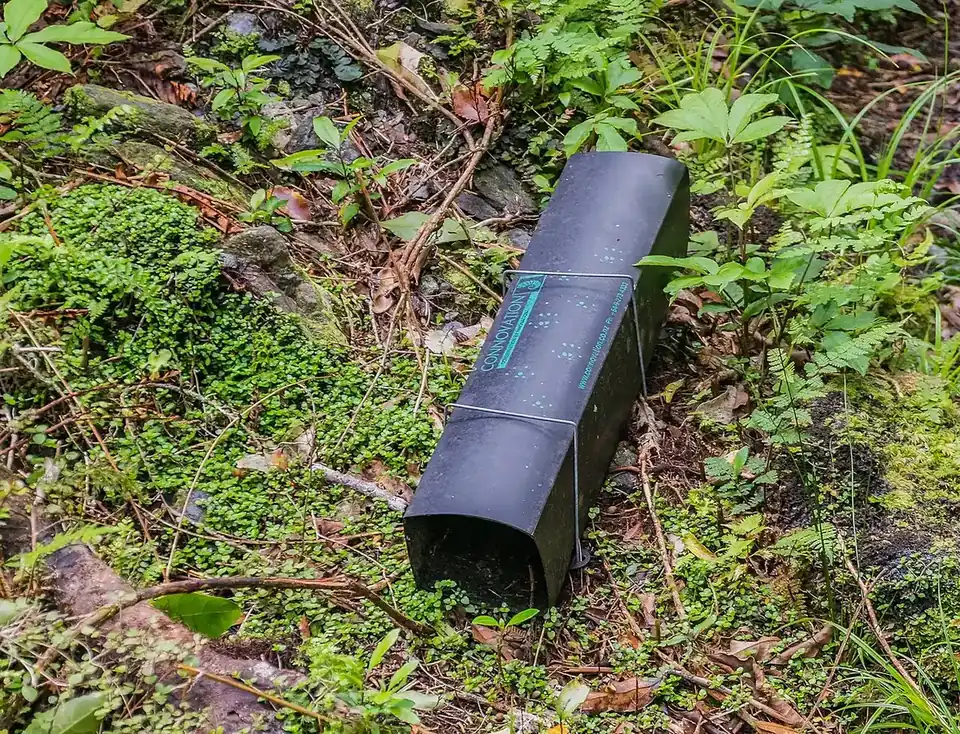
- Tamper-resistant stations: if bait is part of a plan, it goes in locked stations, outdoors, away from living areas.
- Sanitation and habitat changes: removing food and shelter reduces the pull.
Why poison is the main pet risk
Poison baits can harm pets and wildlife that eat bait or poisoned rodents. UF/IFAS Extension states that all rodenticide labels in Florida make it illegal to place poison bait where children, pets, livestock or wildlife can reach it unless it is in a secured, tamper-resistant station, and reports thousands of accidental poisonings of dogs and wildlife a year from improper bait placement. Poisoned rats can also die inside walls and cause odor problems.
Natural allies, not gimmicks
UF/IFAS points out that rat snakes, other native snakes and owls prey on roof rats, so removing them can backfire. Ultrasonic devices show no evidence of working and can cause hearing loss in pets, and no repellents are registered specifically for roof rats. We focus on methods with evidence.
Pet-safe rodent control in Spring Hill, FL
In Spring Hill, FL, many yards have pets, pools, lanais and wildlife, so trap placement and any outdoor stations are chosen with those in mind. Tell us about your animals and we will plan accordingly.
Questions to ask any rodent company
- Will you use poison indoors?
- Where will bait or traps go, and can pets reach them?
- How will you handle a rodent that dies in a wall?
- Will you seal entry points?
- What do I need to do with my pets during service?
Related rodent control services
Pet-Safe & Eco-Friendly Rodent Control questions
Is your rodent control safe for dogs and cats?
We plan around pets: exclusion and trapping first, traps and stations placed out of reach, and no loose bait indoors. Tell us about your pets when you book.
Do you use poison at all?
If bait is appropriate, it is used in tamper-resistant stations away from children, pets and wildlife, as labels require. Trapping and sealing come first.
Is eco-friendly rodent control effective?
Yes, because the most effective steps, inspection, sealing, trapping and sanitation, are also low-chemical.
Will traps hurt my pets?
Traps are placed in protected spots, but keep pets away from the area and follow our placement instructions.
Is it safe for kids?
Yes, with the same precautions. Tell us who lives in the home.
Hear scratching tonight? Let’s find out what it is.
Call and tell us where you are and what you are hearing, seeing or smelling. A local rodent specialist can then set up an inspection of your attic, crawl space, garage and exterior.
Talk to a local rodent specialist now
- Open 7 days a week, 9:00 am to 5:00 pm
- Spring Hill, Brooksville, Weeki Wachee and nearby
- Rats, mice, attic and crawl space problems