Rodent Exclusion in Spring Hill: Seal the Entry Points So They Stay Out
Exclusion is the step that decides whether rodents come back. We close the gaps they use with materials they can’t chew through, after the rodents are out.
What is rodent exclusion?
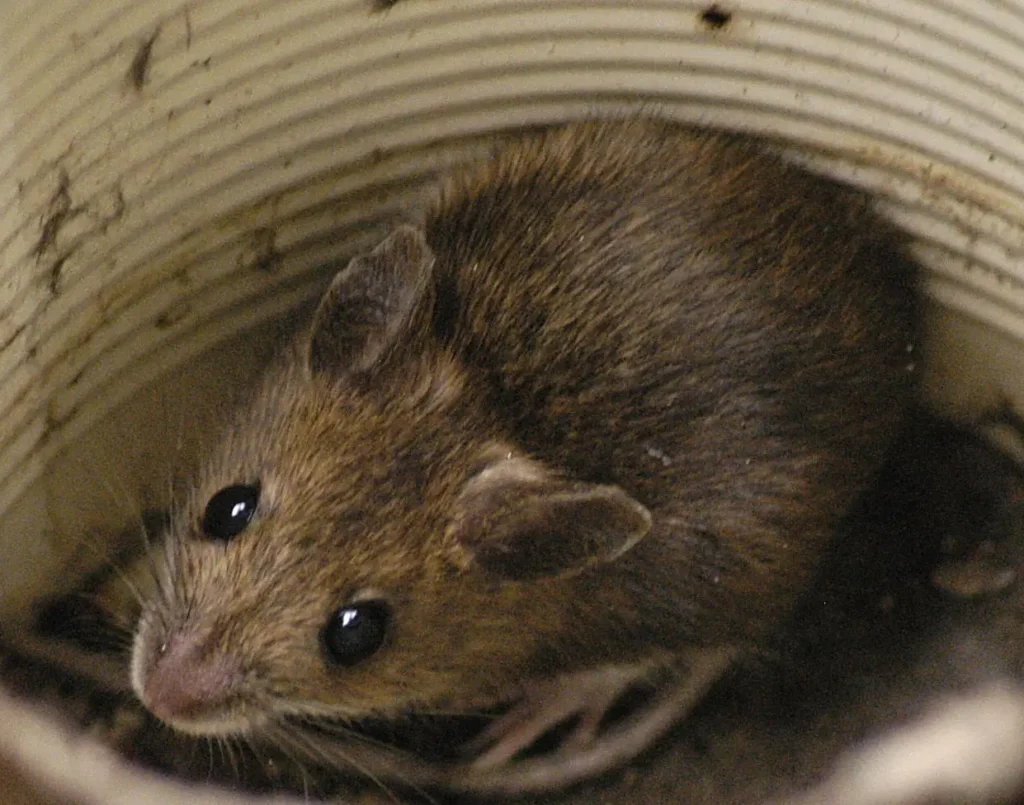
Rodent exclusion, also called rodent proofing, is sealing every gap, hole and weak point that rats and mice use to enter a building. Trapping removes the rodents inside today; exclusion stops the next ones. A trapping-only job often ends with a second call because new rodents move into the open gaps.
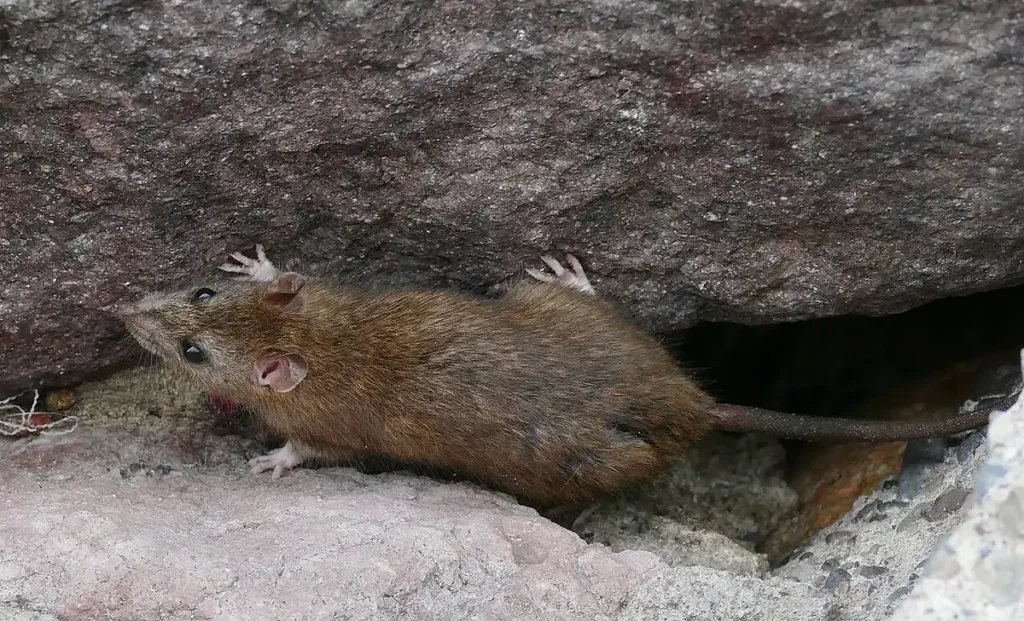
Pest companies commonly cite a quarter-sized hole as enough for a rat and a dime-sized gap for a mouse, which is why exclusion is detailed work, not a quick patch.
Where we seal
- Roof vents, gable vents, soffits and fascia gaps
- Where utility lines, pipes, AC lines and cables enter
- Garage door seals and weep holes
- Foundation vents and crawl space access doors
- Gaps around doors, windows, dryer vents and screens
- Torn or missing screens on lanais and vents
Materials that hold up
Rodents gnaw, so soft fillers fail. We use rodent-resistant materials such as steel mesh or copper wool, metal flashing and hardware cloth, with sealant to hold them in place. Expanding foam and caulk on their own can be chewed through, so they are not used alone. Vents get covers that keep airflow, because attics and crawl spaces must stay ventilated.
How the work goes
- Map the gaps during the inspection.
- Confirm the rodents are out by trapping first, so none are sealed inside walls.
- Seal in priority order: the main routes first, then secondary gaps.
- Separate access routes: branches, wires and fences that touch the roof are flagged or trimmed.
- Recheck for new activity after sealing.
Exclusion in Spring Hill, FL
In Spring Hill, FL, exclusion focuses on the roofline: soffits, gable and roof vents, fascia, and the trees, palm fronds and wires that bridge to the roof. Roof rats are climbers, so the top of the house matters most, and storm damage can open new gaps.
Related rodent control services
Rodent Exclusion questions
Is rodent exclusion permanent?
It lasts as long as the materials stay intact, but homes age and new gaps appear. An annual check catches them early.
Can I seal gaps myself?
You can, but foam and caulk alone get chewed, and sealing before rodents are out can trap them inside walls. Professionals use rodent-proof materials and sequence the work.
Does sealing block my attic ventilation?
It should not. Vents are covered with mesh or hardware cloth that keeps air moving while keeping rodents out.
When is the best time for exclusion?
Any time in Florida, ideally before hurricane season.
Do you trim trees and palms?
We flag branches and fronds that bridge to the roof and recommend trimming. Tree work near power lines should be done by qualified professionals.
Hear scratching tonight? Let’s find out what it is.
Call and tell us where you are and what you are hearing, seeing or smelling. A local rodent specialist can then set up an inspection of your attic, crawl space, garage and exterior.
Talk to a local rodent specialist now
- Open 7 days a week, 9:00 am to 5:00 pm
- Spring Hill, Brooksville, Weeki Wachee and nearby
- Rats, mice, attic and crawl space problems